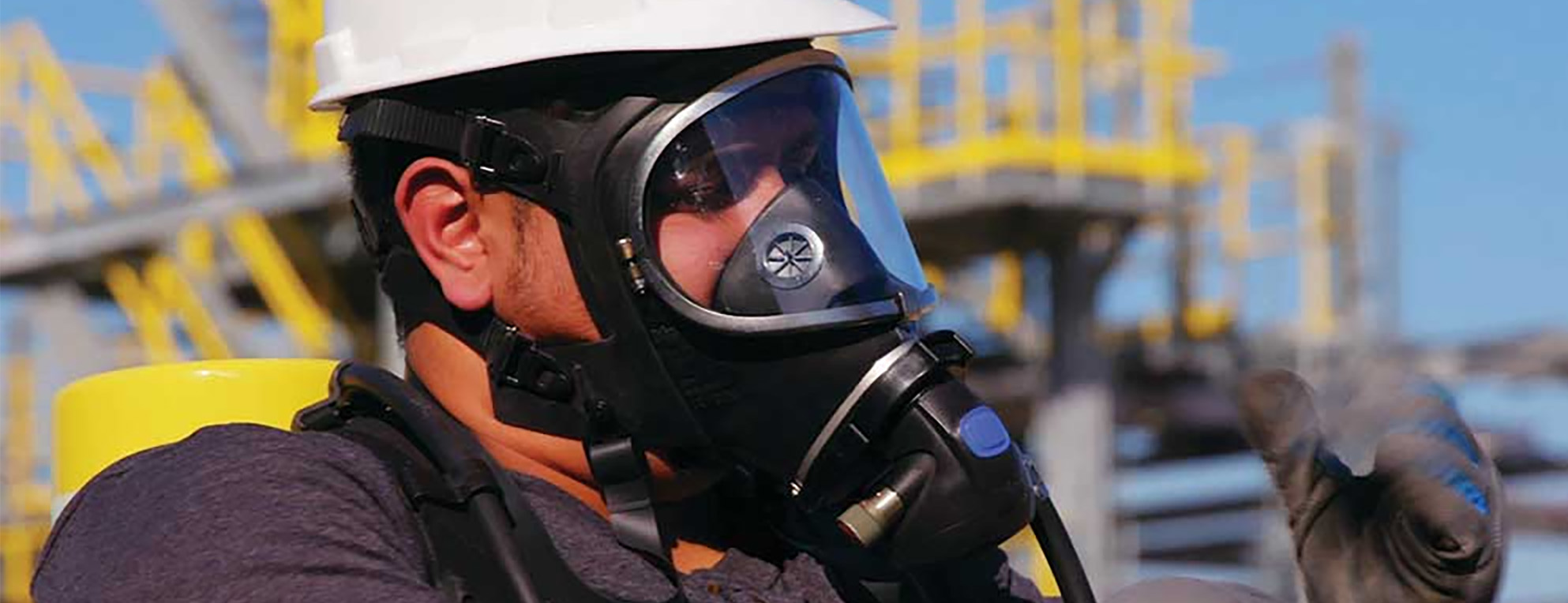
Environmental Health and Safety
Career/Technical Certificate Continuing Education
If you are careful, organized, and good at problem-solving, consider a career where safety comes first. Our program teaches you how to spot, understand, and fix unsafe conditions in the workplace.
Protect People. Power Safe Workplaces.
Why you should choose the Environmental Health and Safety program at San Jac.
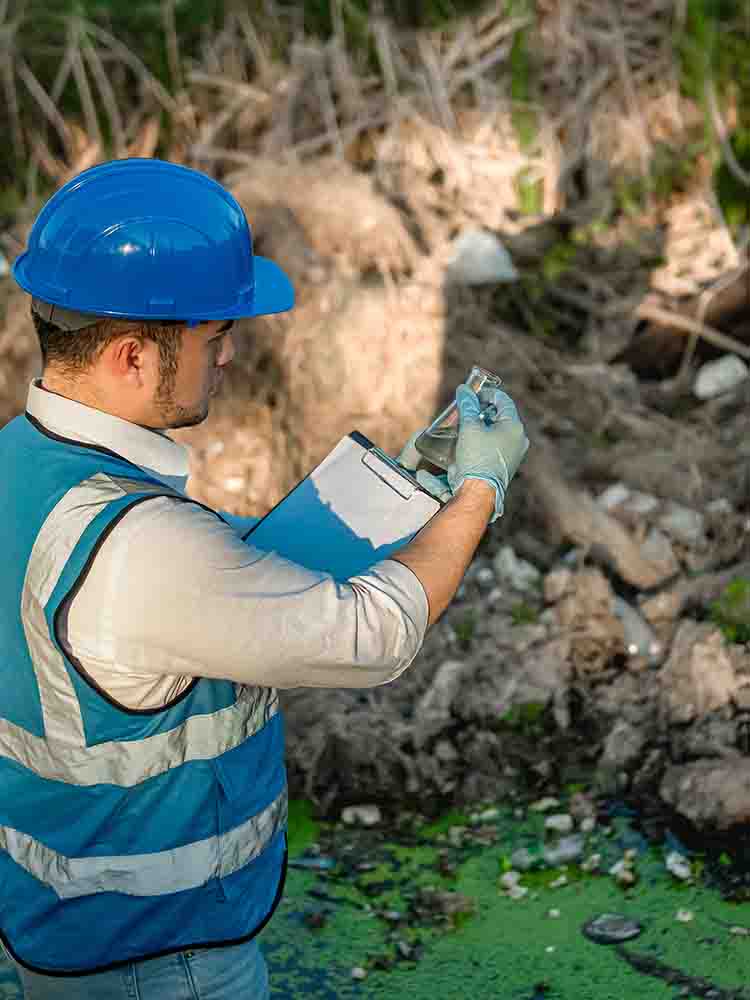
Protect People and the Workplace
Learn how to identify hazards and prevent accidents before they happen. You’ll build skills to keep workplaces safe and compliant with safety standards.
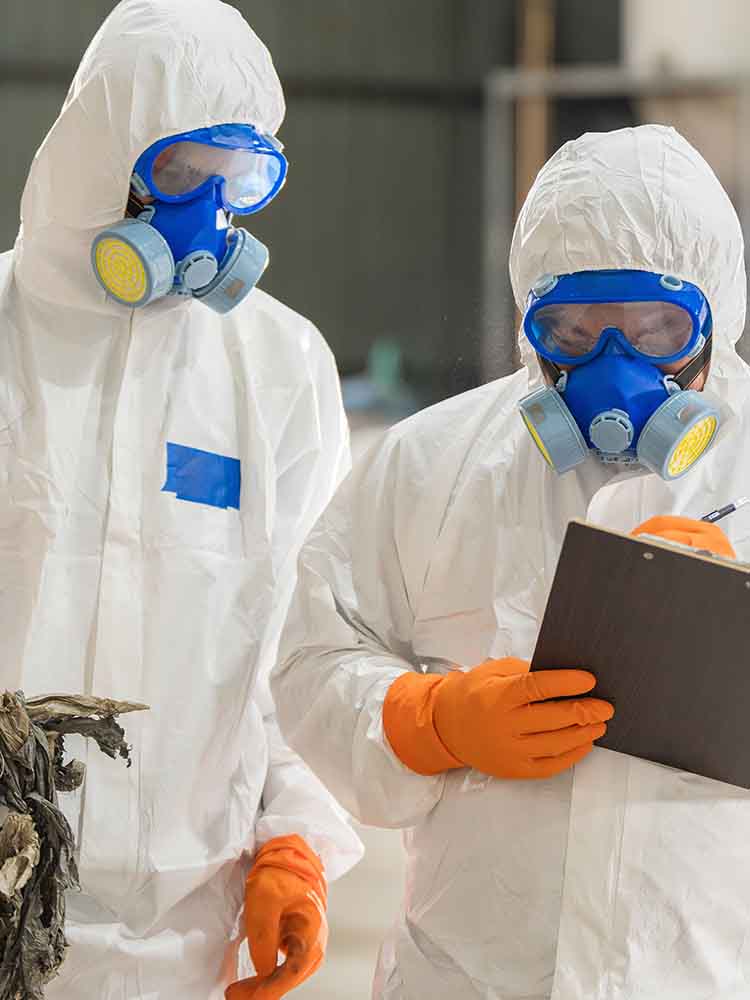
Train in Safety, Science, and Problem-Solving
Study topics like chemistry, biology, health science, and safety systems. Learn how to analyze risks and create safer work environments.
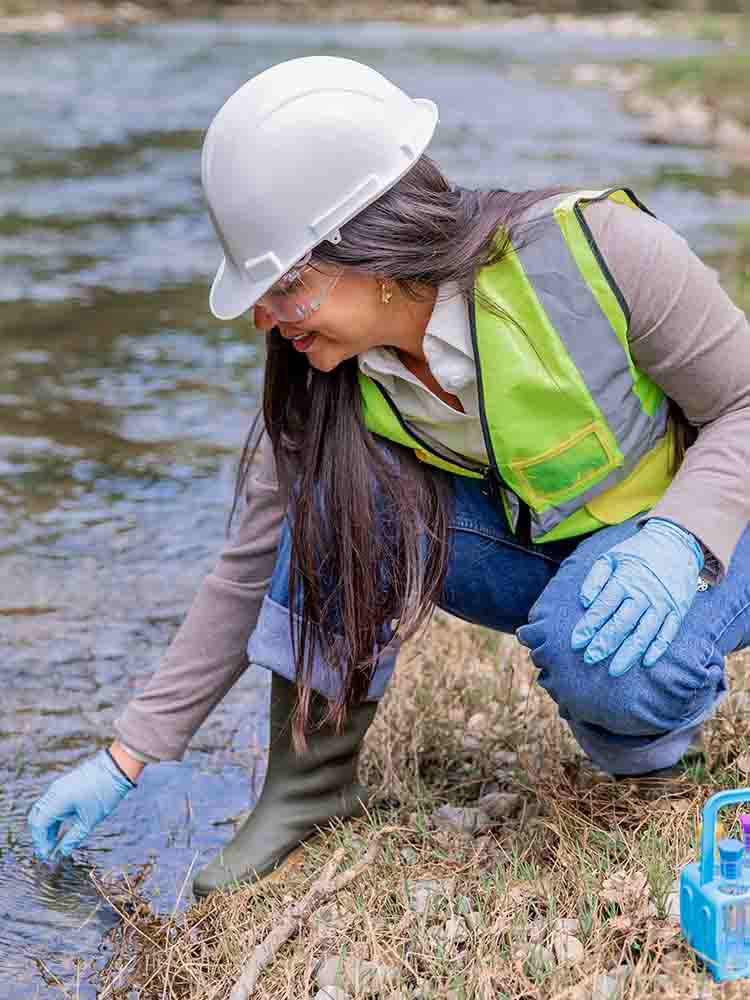
Prepare for a High-Demand Safety Career
Train for careers in environmental health and safety, industrial hygiene, and risk management. These roles are needed across many industries like construction, manufacturing, and energy.
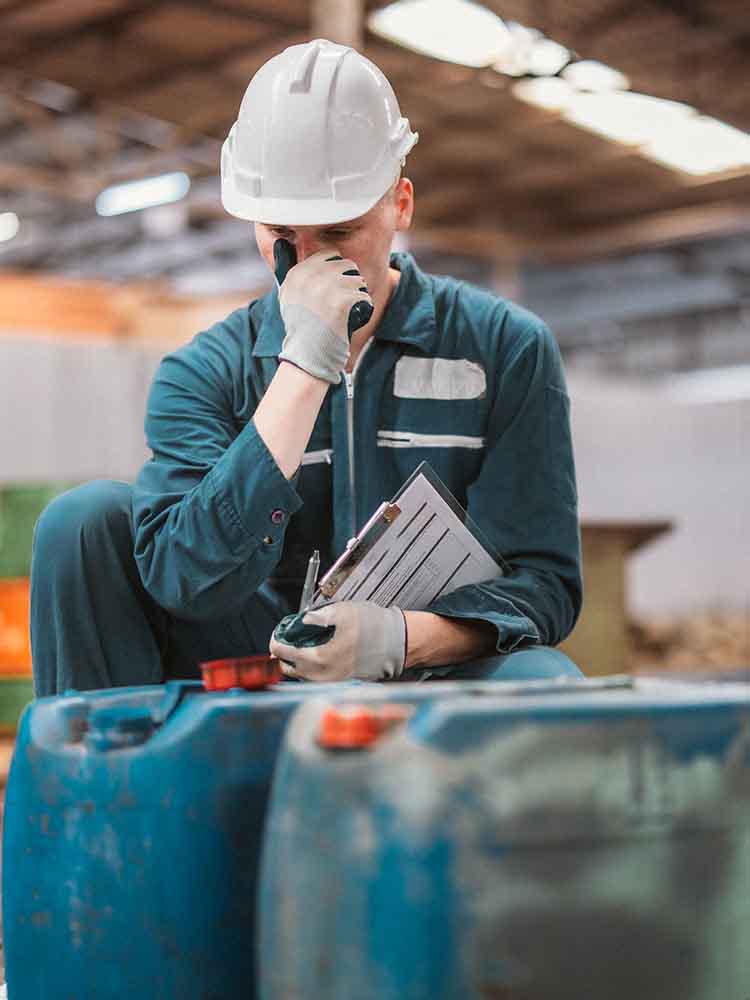
Start Working in a Growing Field
Gain the skills employers want in safety-focused roles. Graduates are prepared for entry-level jobs that support workplace safety, compliance, and environmental protection.
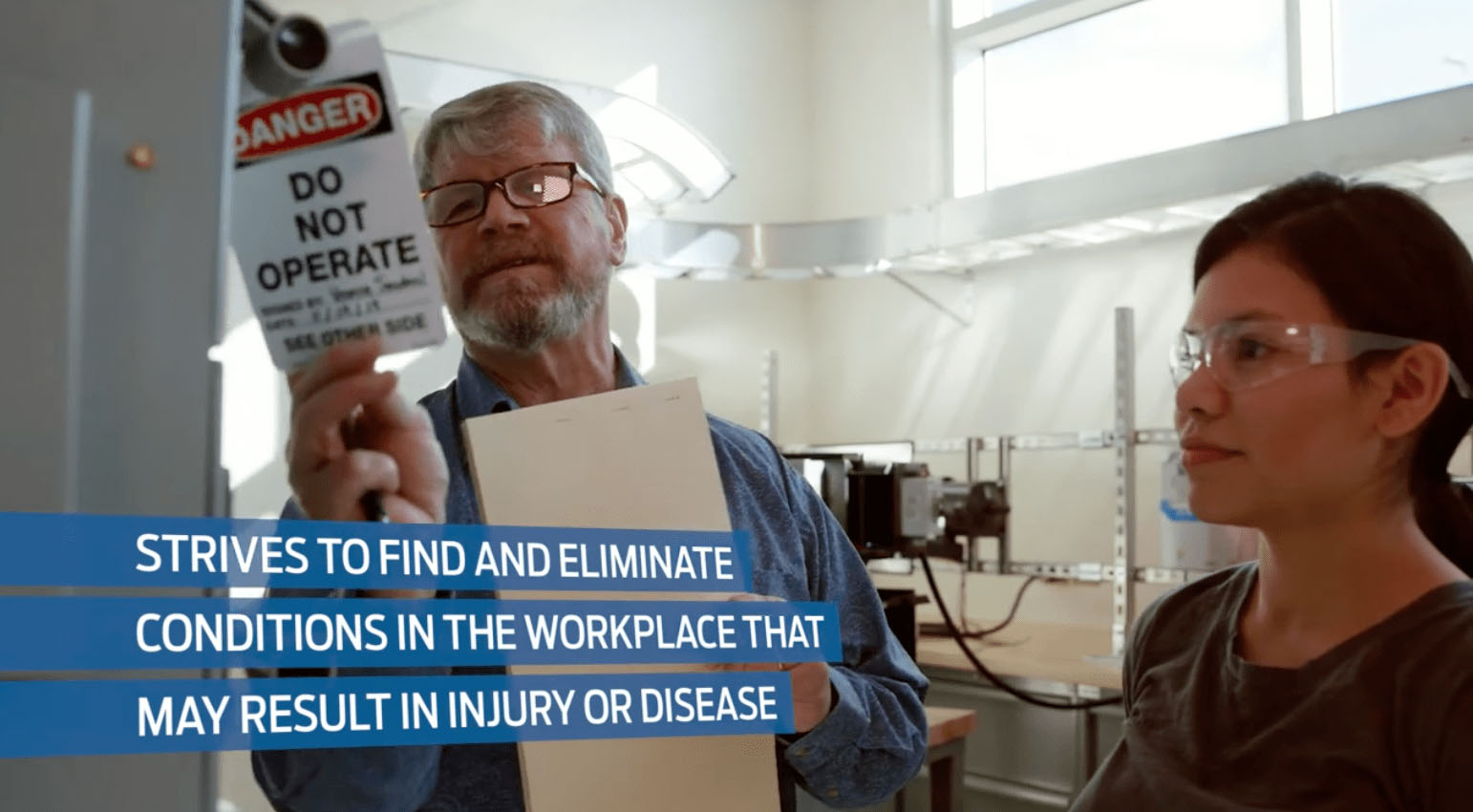 Play Video
Careers
Occupational Health and Safety Technician
$49,862
Occupational Health and Safety Specialists
$79,615
Opportunities
- Safety/Environmental Specialists
- Safety/Environmental Engineers
- Industrial Hygienists
- Risk Management Specialists
- Occupational Physicians
- Occupational Health Nurses
Locations
Salary Source: Texas Wages
DEGREES & CERTIFICATES
Environmental Health and Safety Technology, AAS
Career/Technical
This degree provides foundational knowledge and skills in Environmental Health & Safety. The courses build students' understanding of key areas like chemicals, structures, protocols, and industry standards.
2 Years
If you're studying full-time, you can complete the 60 credits for this program in four terms.
Environmental Health and Safety Technology, Level 2 Certificate
Certificate
The Level 2 Certificate prepares you for the degree program, an entry-level career, or advancement in your current career. The EHST program teaches several disciplines, including biological, chemical, physical, mathematical, and health sciences. In addition, you’ll get an introduction to occupational health and safety concepts.
6 Months
If you're studying full-time, you can complete the 34 credits for this certificate in two terms.
Forklift Operator Certification, Course
CAREER TRACKS
The content below shows a flowchart of the career tracks.
After San Jacinto College

Sounds great, but how do I apply?
Ready to take the first step toward an exciting future? It’s time to apply to San
Jac. We’ll guide you through the process and help you start building your future,
today.
You Have Questions. We Have Answers.
Environmental Health and Safety professionals work to prevent workplace injuries. They protect the environment and make sure companies follow safety rules. They check job sites and find hazards. They also look into incidents and make safety plans for workers.
Safety professionals play a key role in manufacturing, construction, oil and gas, healthcare, transportation, and energy. Large companies often hire Environmental Health and Safety specialists to protect employees and facilities.
It’s a mix of both. You'll learn science and safety concepts. You'll also apply them in real workplaces, during inspections, and for hazard prevention.
Yes. Many skilled Environmental Health and Safety professionals take on leadership roles. They oversee safety programs, compliance teams, training, and workplace operations.
Industries using heavy equipment, chemicals, or in hazardous settings need EHS professionals. They help protect workers, lower risks, and keep operations safe.

Support for your studies
At San Jac, you’re never alone. Our teams ensure you have the support you need to
achieve your academic goals.
A Program Worth Traveling For

I’ve worked for Saudi Aramco for 13 years, including a few months as a safety
advisor before coming to San Jac. Although I had experience, I’ve gained so much more
here. I was the first from my refinery to study at San Jac and will graduate next
semester. When I return, I’ll be the safety team supervisor.”
Environmental Health and Safety Student